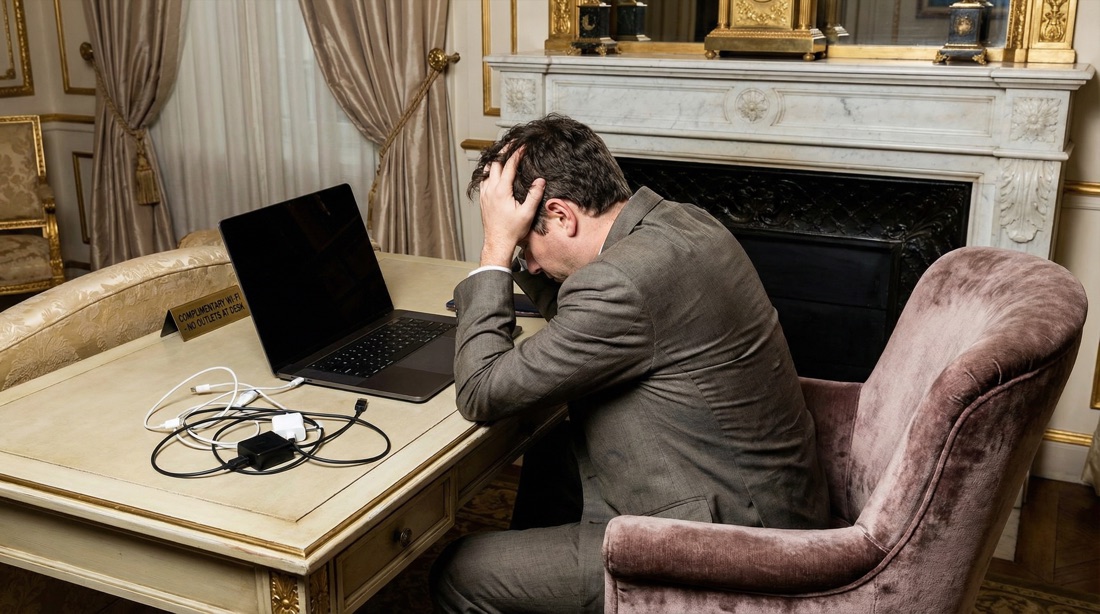
Knowing how burnout builds — and what protects you — is half the recovery.
The phases of burnout
Freudenberger & North described burnout as a slow slide. Spotting your phase early is everything.
1Honeymoon›Energy and drive are high. You take on everything and push to prove yourself.
Honeymoon›
Energy and drive are high. You take on everything and push to prove yourself.
The risk here is invisible: you feel great, so you keep adding load. Protect one boundary now — a hard stop time, a free evening — while it's still easy to do.
2Onset of stress›Some days get harder. First signs appear: worse sleep, irritability, less focus.
Onset of stress›
Some days get harder. First signs appear: worse sleep, irritability, less focus.
This is the best moment to act. Name what changed, drop one commitment, and protect sleep — before the slide picks up speed.
3Chronic stress›Stress becomes constant. You neglect your needs, withdraw, lean on quick fixes.
Chronic stress›
Stress becomes constant. You neglect your needs, withdraw, lean on quick fixes.
Your body is running on stress hormones daily. Small fixes aren't enough anymore — you need real recovery: time off, firmer boundaries, and usually a conversation with someone you trust.
4Burnout›Exhaustion, cynicism and emptiness set in. It starts to affect your performance and health.
Burnout›
Exhaustion, cynicism and emptiness set in. It starts to affect your performance and health.
This isn't laziness or weakness — it's your system out of fuel. Reduce demands wherever you can and get support. Recovery from here takes weeks to months, not a weekend.
5Habitual burnout›Burnout becomes part of your identity — chronic fatigue, isolation, low mood. This is when help matters most.
Habitual burnout›
Burnout becomes part of your identity — chronic fatigue, isolation, low mood. This is when help matters most.
If this is you, please don't try to wait it out alone. A doctor, therapist or helpline can change the trajectory. Recovery is possible — but at this stage it needs help.
What actually protects you
Family & friends›Social support is one of the strongest buffers against stress and burnout. A real conversation lowers cortisol and improves sleep — reach out before you withdraw.
Family & friends›
Social support is one of the strongest buffers against stress and burnout. A real conversation lowers cortisol and improves sleep — reach out before you withdraw.
Isolation both causes and deepens burnout, so connection is the first thing to lose and the last to rebuild. Start tiny: one honest message to one person this week. 'I'm having a hard time' is enough.
Movement›Even a 20-minute walk lowers stress hormones and lifts mood. Regular activity is a powerful protector against exhaustion.
Movement›
Even a 20-minute walk lowers stress hormones and lifts mood. Regular activity is a powerful protector against exhaustion.
It doesn't need a gym. A short daily walk — ideally outside — beats the occasional intense workout for stress. Anchor it to something you already do: after lunch, before dinner.
Nutrition›Balanced meals stabilise your energy and reduce irritability. What you eat shapes how your body handles stress.
Nutrition›
Balanced meals stabilise your energy and reduce irritability. What you eat shapes how your body handles stress.
Skipping meals and heavy caffeine amplify the stress response. You don't need a diet — just regular meals, water, and some protein at breakfast to keep energy steady through the day.
Sleep›Sleep is where you recover. 7–9 hours and a steady bedtime repair your stress system — protect it fiercely.
Sleep›
Sleep is where you recover. 7–9 hours and a steady bedtime repair your stress system — protect it fiercely.
Burnout and poor sleep feed each other. The highest-leverage change is a consistent wake time and no screens for the last 30 minutes. Fix your wind-down before you worry about duration.
Professional help›Asking for help isn't weakness. Therapy (CBT, ACT) has the strongest evidence for recovering from burnout. In crisis, reach a professional or a helpline.
Professional help›
Asking for help isn't weakness. Therapy (CBT, ACT) has the strongest evidence for recovering from burnout. In crisis, reach a professional or a helpline.
You don't need to be 'bad enough' to ask. A few sessions early can prevent months of decline. If you ever feel unsafe or in crisis, contact a professional or an emergency line right away.
Social media — with care›Heavy social-media use is linked to more burnout — mainly through social comparison. Limiting it and curbing comparison measurably lowers the strain.
Social media — with care›
Heavy social-media use is linked to more burnout — mainly through social comparison. Limiting it and curbing comparison measurably lowers the strain.
It's not the phone, it's the comparison. Mute the accounts that leave you feeling behind, and move heavy use out of the bedroom and out of the first hour of your day.
Frameworks: Maslach & Leiter · Freudenberger & North · Sonnentag. Wellness, not a medical device.
← Back